-
Land-based ASC-certified aquaculture by Blue Njord
Aquaculture Projects – Ghana
About the Ghana Project
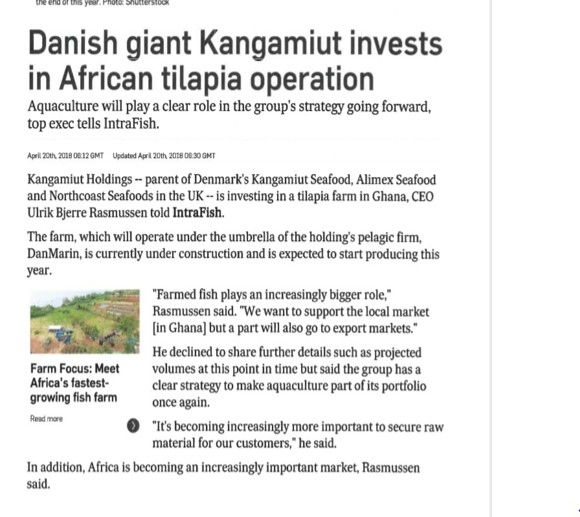
The Blue Njord Aquaculture Project in Ghana represents a scalable, land-based farming model focused on sustainable fish production. Established in 2018, the project operates in one of Africa’s fastest-growing protein markets, addressing the rising demand for high-quality, responsibly farmed fish.
Strategically located in Ghana, the project benefits from strong domestic consumption, export potential, and access to advanced aquaculture technologies that ensure efficiency, biosecurity, and long-term sustainability.
- Established in 2018
- Fastest-growing protein sector
- Strategic location in Ghana
Aquaculture Services Offered
Blue Njord offers end-to-end aquaculture solutions built on global best practices, advanced farming technologies, and proven operational experience. Our services are designed to support scalable, sustainable, and commercially viable aquaculture projects across different species and production systems.
Complete design, development, and execution of land-based aquaculture farms, covering infrastructure, production systems, and operational setup.
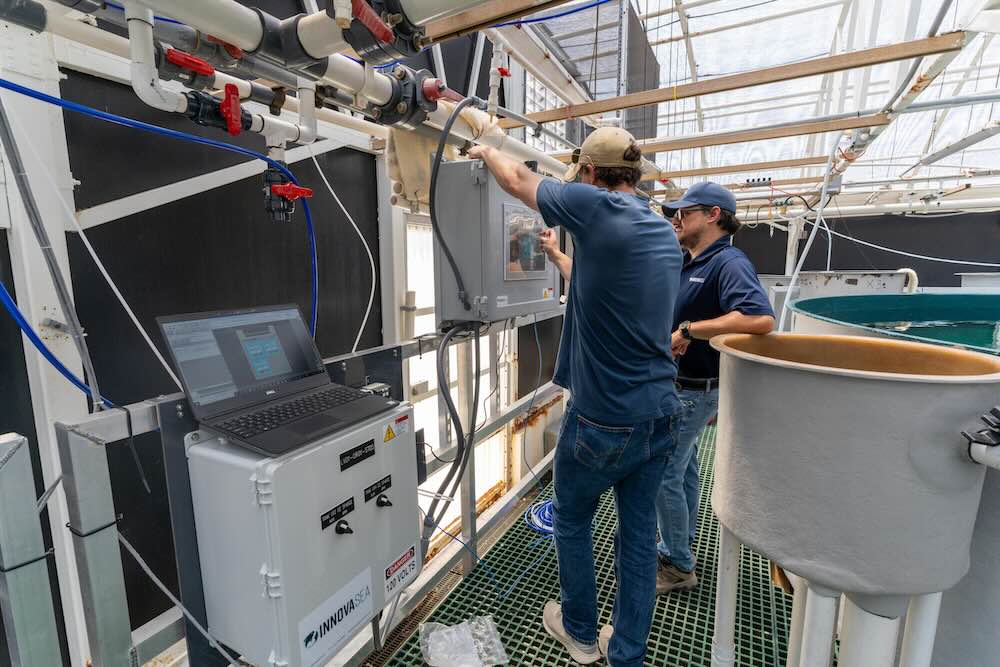
Technical and strategic consulting for aquaculture projects, including feasibility studies, farm planning, production optimization, and risk management.
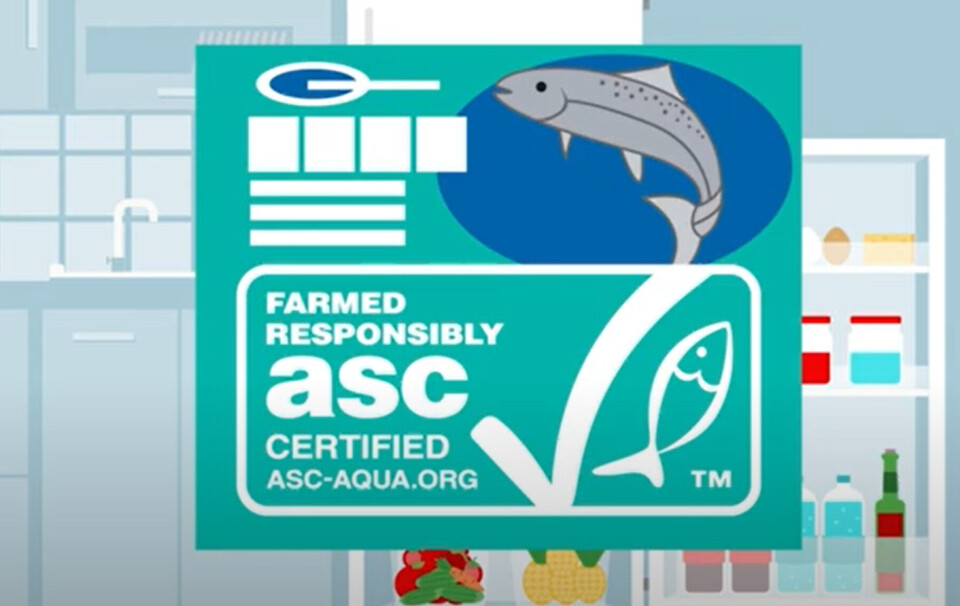
Advisory support for achieving Aquaculture Stewardship Council (ASC) certification, ensuring compliance with global social and environmental standards.
Expertise in cultivating multiple species within integrated systems, enabling diversification, resilience, and improved economic returns.
SPECIES WE FARM
Our farming systems are designed to support a range of commercially important aquatic species, allowing flexibility in production and market responsiveness.
Tilapia
Black Tiger Shrimp
Seabass
Carp
Catfish
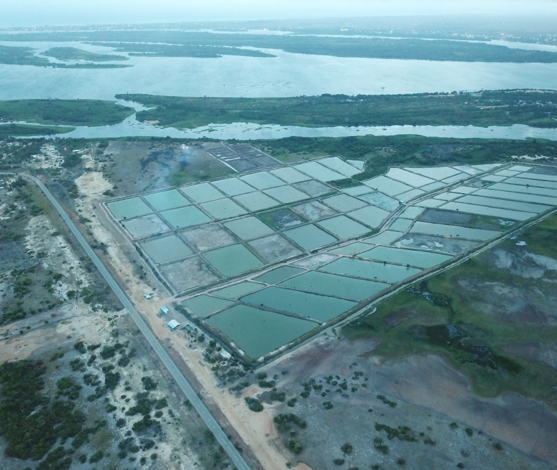
Farm Layout & Infrastructure
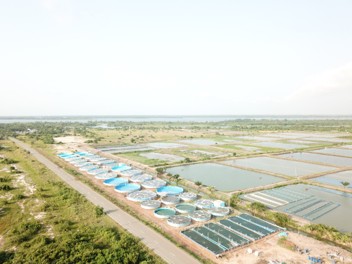
Explains purpose-built, land-based design, biosecurity, water flow, sustainability.
Hatchery Ponds
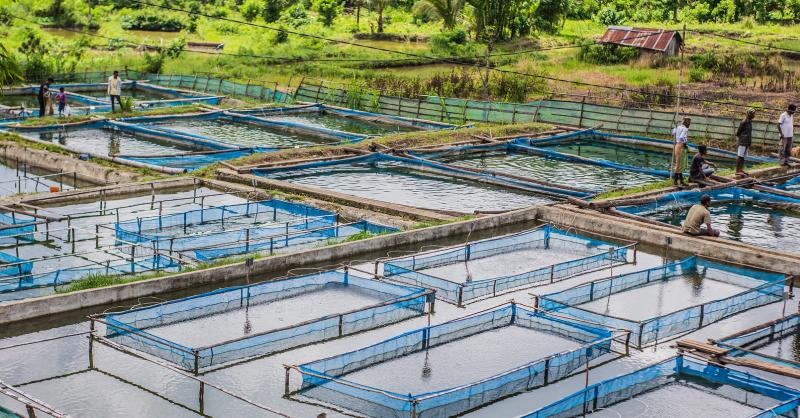
Dedicated hatchery ponds support controlled breeding, nursery operations, and early-stage development. This infrastructure ensures consistent seed quality, improved genetic performance, and higher stocking success.
Production Ponds
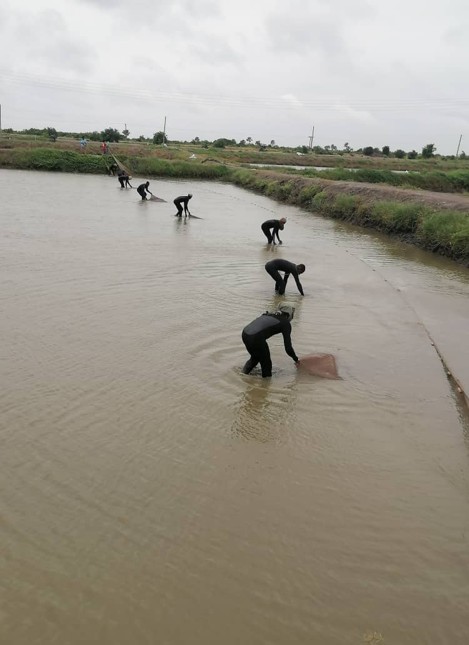
The farm operates dedicated Tilapia production ponds designed for controlled growth, optimized feeding efficiency, and high survival rates. Pond sizing and layout are engineered to support efficient water circulation, aeration, and biosecure operations.
Effluent Treatment & Water Management
Integrated effluent treatment systems and water management canals minimize discharge and environmental impact. Water reuse is maximized, with harvesting and restocking cycles carefully synchronized for operational efficiency.
Supporting Infrastructure
The farm includes canals, access roads, service zones, and expansion-ready areas that support logistics, maintenance, and future growth while ensuring smooth day-to-day operations.
Biofloc Technology – Core Strength
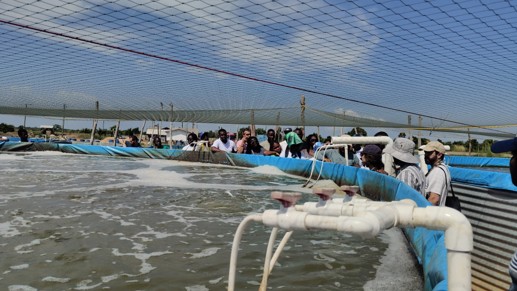
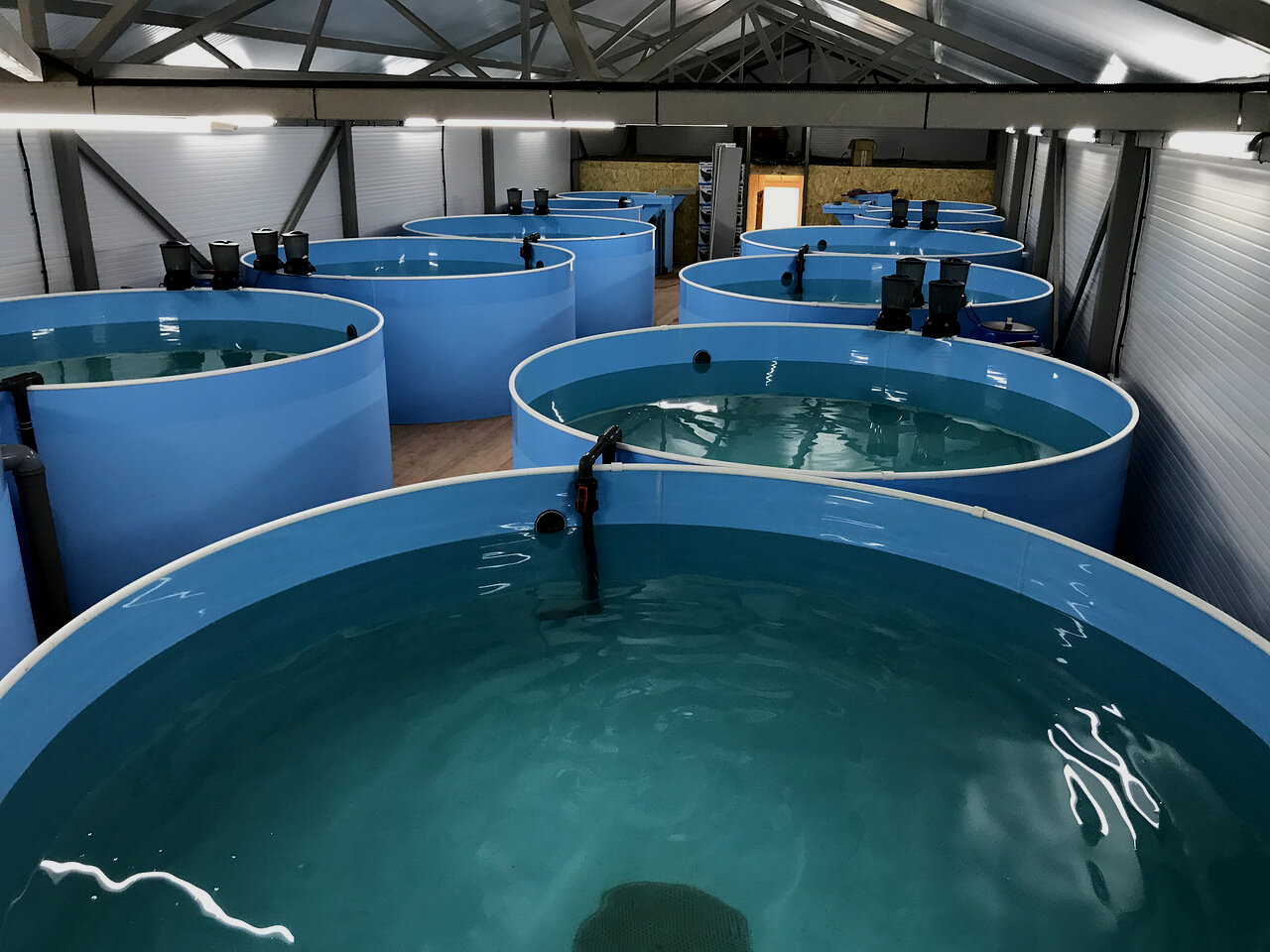
Biofloc technology represents a next-generation aquaculture production system focused on efficiency, sustainability, and environmental responsibility. After more than three years of research, development, and pilot-scale testing, Blue Njord has successfully implemented biofloc as a commercially viable production model within its Ghana operations.
This advanced system allows for high-density fish production with minimal water exchange by leveraging beneficial microbial communities that naturally recycle nutrients within the system. As a result, biofloc significantly reduces water consumption, improves feed efficiency, and lowers the overall environmental footprint of aquaculture farming.
Biofloc System Highlights
Proven Through R&D
The biofloc system was developed and refined over three years of research, pilot projects, and operational trials, ensuring reliability and commercial readiness.
High-Density Production
Large circular tanks of 16 meters diameter are capable of producing up to 6 tons per cycle, with three production cycles annually, delivering output comparable to large pond systems.
Low Water Consumption
Biofloc minimizes water exchange by recycling nutrients within the system, drastically reducing freshwater use while maintaining optimal water quality.
Reduced Carbon Footprint
Designed for integration with solar energy, the biofloc system supports low-emission production, reinforcing Blue Njord’s commitment to climate-responsible aquaculture.
Production Capacity & Roadmap
Blue Njord’s production roadmap in Ghana is built on a phased, technology-driven expansion strategy that prioritizes sustainability, operational efficiency, and long-term scalability. By combining pond-based aquaculture with advanced biofloc systems, the project is positioned to significantly increase output while maintaining strict environmental and certification standards.
Each phase of growth reflects successful operational milestones, technological validation, and increasing integration of renewable energy solutions, reinforcing Blue Njord’s vision of responsible and future-ready aquaculture.
Production TimeLine
2018 – 2019 | Project Foundation & Initial Production
Construction of the aquaculture farm commenced in 2018, followed by the start of commercial operations. In April 2019, the integrated supply chain was launched, enabling controlled production and distribution of Tilapia and Black Tiger Shrimp.
2020 | Biofloc R&D and Pilot Phase
A dedicated research and development phase was initiated to test and validate biofloc technology through pilot-scale projects. This phase focused on system optimization, stocking density, feed efficiency, and operational stability.
2023 | Certification & Technology Validation
The project achieved a major milestone by becoming the first land-based Tilapia farm in Africa to receive ASC certification. During this period, the first set of commercial biofloc tanks was installed, and preparations began for shrimp hatchery operations.
2025 | 600+ Tons ASC-Certified Production
By 2025, total production is projected to exceed 600 tons of ASC-certified Tilapia, combining output from traditional ponds and biofloc systems. This phase marks the transition to large-scale, certified commercial production.
2026 | 1,000+ Tons with Biofloc & Solar Integration
Production is expected to exceed 1,000 tons through expanded biofloc deployment and the integration of solar energy systems. This phase significantly reduces carbon emissions while improving production efficiency.
2027 | 1,500+ Tons & Regional Leadership
By 2027, production is projected to surpass 1,500 tons, positioning Blue Njord as the largest land-based aquaculture producer and exporter in West Africa. Expansion will include multi-species integration and further infrastructure scaling.