Building Africa’s most responsible land-based aquaculture model through global standards, clean technology, and community-focused development.
Sustainability & Green Practices
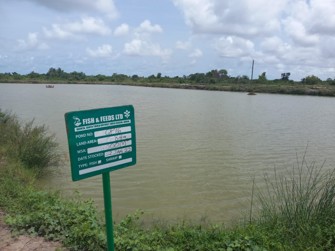
ASC-Certified Aquaculture
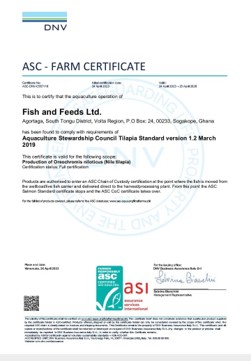
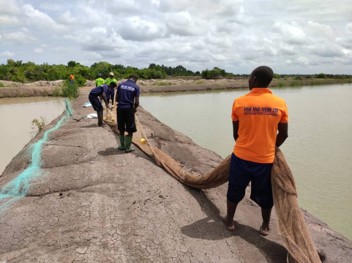
The first land-based Tilapia farm in the African continent to achieve Aquaculture Stewardship Council (ASC) certification, meeting stringent global social and environmental standards.
Zero Antibiotics
Fish are grown without the use of antibiotics, ensuring healthier production, improved biosecurity, and safer food for consumers.
Zero Hormone Usage
No hormones are used at any stage of production, maintaining natural growth cycles and product integrity.
Probiotics-Based Farming
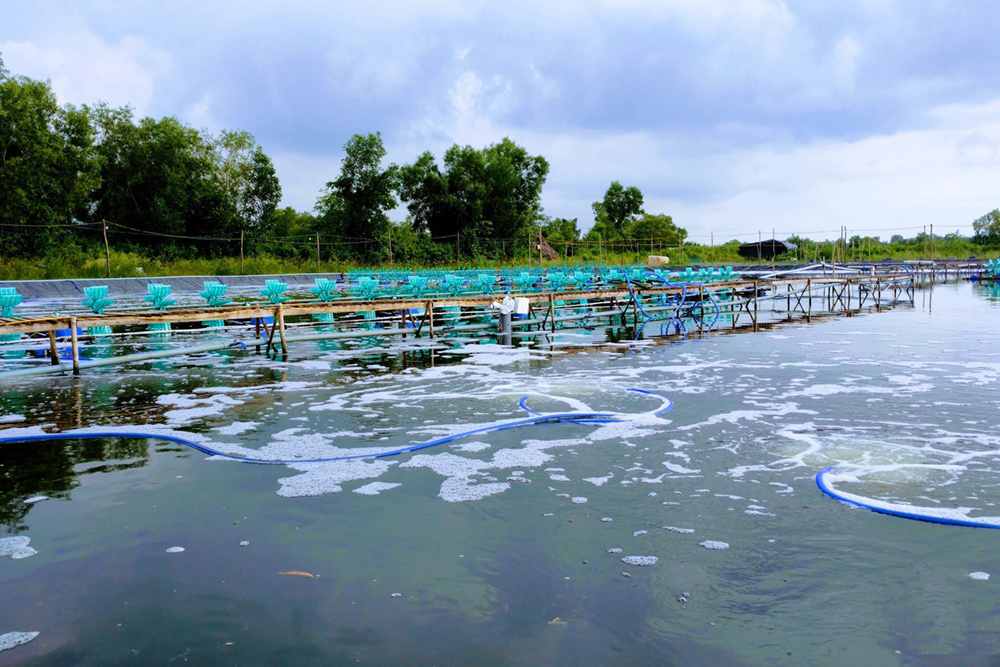
A next-generation farming approach that uses probiotics to reduce organic load, improve water quality, and enhance fish health, a practice adopted by very few farms globally.
Water Reuse & Efficiency
Water is reused to the maximum extent possible through controlled pond systems and synchronized harvesting and stocking, reducing overall freshwater consumption.
Low Carbon Footprint
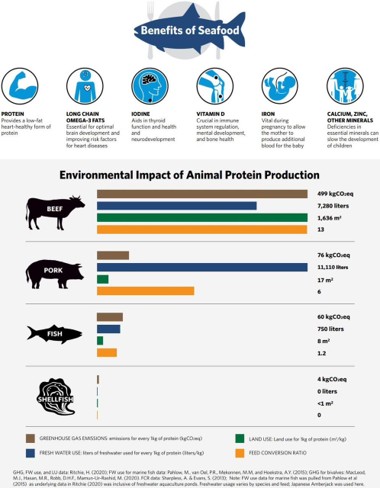
Land-based pond systems, efficient feed conversion ratios, and planned renewable energy integration contribute to one of the lowest CO₂ footprints in aquaculture.
ASC Certification Significance
Aquaculture Stewardship Council (ASC) certification represents one of the most rigorous global standards in responsible aquaculture. It evaluates farms across environmental protection, social responsibility, animal welfare, and operational transparency.
Blue Njord’s aquaculture project in Ghana has achieved a landmark milestone by becoming the first land-based Tilapia farm in the entire African continent to receive ASC certification. This achievement reflects a deep commitment to responsible farming practices that go far beyond regulatory compliance.
Corporate Social Responsibility (CSR)
Blue Njord’s aquaculture project in Ghana is deeply rooted in community development and social responsibility. From the outset, the project has been designed to create long-term social impact by improving livelihoods, promoting inclusive employment, and supporting infrastructure development in surrounding rural areas.
CSR is not treated as a parallel activity but as an integral part of farm operations, ensuring that economic growth is aligned with social progress and environmental responsibility.
CSR activities
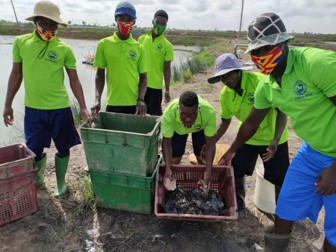
40+ full-time jobs created in a remote rural location.
Approximately 50% of the workforce consists of women from surrounding villages.
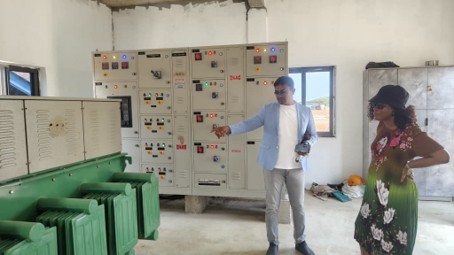
Electricity access enabled for a local village for the first time.
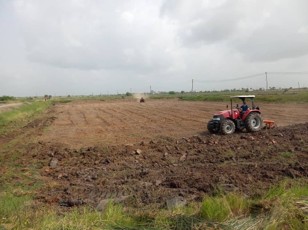
Construction of connecting roads linking villages to main transport routes.
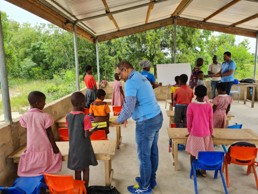
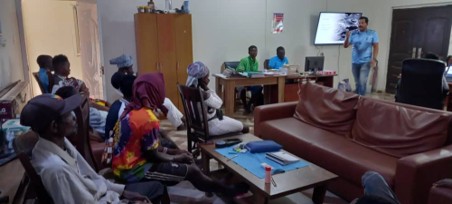
Training programs for villagers, schools, colleges, and university students on responsible aquaculture.
Active participation in local sports, social events, and cultural activities.
Community Impact Stories
Beyond aquaculture production, Blue Njord’s presence in Ghana has created meaningful and lasting impact within surrounding rural communities. These stories reflect how responsible business practices can improve livelihoods, infrastructure, and opportunities for future generations.